What Is Musculoskeletal Pain?
Musculoskeletal (MSK) pain is a term used to describe pain or aches in the muscles, bones, joints and surrounding connective tissues. It can be short-term (for example, strains or sprains) or can be long-term, depending on how the pain is addressed. Persistent MSK pain can limit movement, affect daily activities and impact emotional well-being.
A recent survey on musculoskeletal pain in the UK showed that almost 18% of adults in England reported a long-term musculoskeletal condition, many of whom also reported other long-term health issues (including mental health conditions). The data shows that there is a link between the extent of this pain and the rise of mental health challenges within a large proportion of our adult population. Holistic therapies, also referred to as complementary or alternative medicines, can work to address the mind and body simultaneously. In most cases, this comes from increased blood circulation and hormone production during treatment, supporting both mental and physical healing.
Estimates by the Complementary & Natural Healthcare Council (CNHC) suggest that up to one in four adults in the UK have used some form of complementary therapy, often to help support pain and overall well-being alongside conventional care. So, if you are part of this data on chronic pain and musculoskeletal conditions, could this approach work for you?
Because MSK pain varies widely in severity and impact, everyone responds differently to approaches, whether complementary or conventional. Work closely with your doctors and care team to find the right support for you
Typical Treatment Paths for Musculoskeletal Pain
In the UK, most people’s first point of contact for MSK pain is their GP. Typically, GPs will share educational information about the condition and advice on activity. If the pain is ongoing, you may be referred to NHS physiotherapy or specialised clinics where available.
What Do We Mean by Complementary Approaches?
The NHS defines complementary and alternative medicine (CAM) as treatments that fall outside conventional healthcare, but may be used to support people’s overall well-being.
Because of this, access to CAM on the NHS can be limited. Referrals from the NHS are limited to the therapies specifically recommended by the National Institute of Health and Care Excellence (NICE) for specific case uses.
This can be frustrating for individuals living with musculoskeletal pain, as after the traditional care path has been exhausted, it can feel like there’s no available next step for them. Below, we look at some complementary approaches you may want to explore and integrate into your holistic pain treatment plan.
Body-Based Therapies
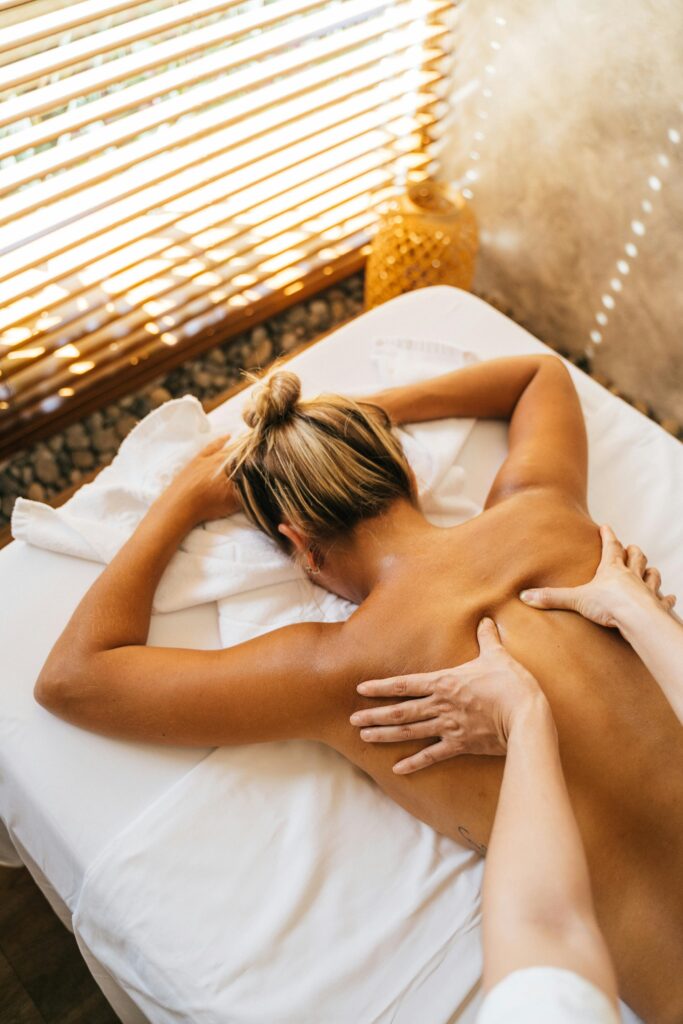
Body-based approaches involve hands-on techniques that may support your movement. They work by pushing, kneading and manipulating your muscles and connective tissues to release tension in pain-point areas. In these processes, endorphins are released (natural painkillers in the body), your range of motion in the addressed areas can improve, and blood circulation to the area can increase, which can speed up healing.
Massage: Massage therapy works to promote internal healing and enhance a person’s overall well-being. Some people report improvements in tension and movement, making it a good choice for MSK pain that feels ‘tense’.
Myofascial release therapy: This method targets pain and tension in the fascia, the connective tissue that supports muscles in the body. When this tissue becomes tight or restricted, it can contribute to discomfort and reduced mobility.
Osteopathy and chiropractic: These are holistic treatments that involve diagnosing, managing and treating musculoskeletal and other related conditions using manipulation techniques. Therapists in these roles are legally regulated.
For any hands-on therapy, it’s important you explain your medical history to your therapist to ensure they have the full picture of injury location and severity, to prevent further pain.
Acupuncture
Some people explore acupuncture for pain management, which originates from traditional Eastern medicine. Modern medical acupuncture could be your first step toward managing pain as the needle depth and placement encourages increased blood flow to injured tissues, promoting targeted healing.
UK clinical guidance from the NHS acknowledges acupuncture as one of the non-pharmacological options that may be considered for people living with persistent pain, including musculoskeletal pain, when delivered by appropriately trained practitioners.
Acupuncture treatment works by stimulating nerves in the skin and muscles, producing different effects which are thought to aid recovery and prevent concerns from arising.
Movement-Based Approaches
Movement-centred approaches can be especially helpful if mobility is a specific concern. These are often recommended because they can be adapted to individual needs to prevent overworking muscles and causing further pain.
These include:
- Physiotherapy: A holistic treatment that helps to restore movement and function, using physical methods such as massage, manipulation and exercise.
- Yoga and Pilates: Body-mind practices incorporating movement, meditation and breathwork to facilitate relaxation and flexibility and promote overall well-being.
- Tai chi: This involves doing slow movements and postures with elements of meditation and breath control, improving balance, flexibility and strength.
- UK clinical guidance stresses the value of remaining active and engaging with structured movement to support physical function and quality of life.
What Does the Evidence Say?
Evidence for complementary therapies varies, depending on the approaches taken and the individuals’ specific concerns.
In the UK, guidelines emphasise that exercise programmes, acupuncture and body-based therapies can improve movement, tension release and overall pain management. However, it is important to recognise that no single therapy works for everyone, hence the limitation on NHS referrals. Exploring the above therapies and finding which one best addresses the area, depth and sensation of your musculoskeletal pain could be your first step toward managing pain and improving well-being.
Choosing a Therapist Safely
If you’re considering complementary therapies privately, it’s important that you do your research into the safety of your practitioner. Not all CAM therapies in the UK are legally regulated, meaning it is up to the practitioner to retain their own ethics, expertise and professional standards. There are some tips below that we would recommend when seeking private holistic therapists:
- Check qualifications and professional membership: Many complementary therapists register with voluntary bodies like the Complementary and Natural Healthcare Council (CNHC), which requires practitioners to meet training, insurance and accountability standards. Some directories require therapists to provide proof of qualifications, insurance and professional membership. You may wish to check whether any directory you use verifies this information
- Discuss with your GP: Ensure any therapy you choose fits within your overall care plan and doesn’t conflict with treatments you’re receiving.
- Discuss your expectations: Some therapists offer free discovery calls ahead of treatment, where they can share more about their approach and what may work for you.
While access to CAM for pain on the NHS can be limited based on location, severity of your pain and what other treatments you have tried, it is good for you to know that private avenues to pain management are available without referral.
You can search for accredited therapists through recognised professional registers or voluntary bodies. One such directory is Therapy Directory. – there are others. Word of mouth from a trusted friend of relative is good way to find a therapist.